
Common Causes of Male Infertility
Male infertility can happen for several reasons, and at Diwya Vatsalya Mamta Fertility Centre, we focus on identifying the real cause before planning treatment.
- Low Sperm Count — a low number of sperm reduces the chance of pregnancy and is one of the most common causes.
- Poor Sperm Motility — sperm may be present but not move properly, making it difficult to reach the egg.
- Hormonal Imbalance — low testosterone and related hormone issues can affect sperm production.
- Azoospermia — no sperm found in semen, often addressed with TESA and ICSI.
Early diagnosis helps in choosing the right male infertility treatment in Patna and improves success chances.

Types of Male Infertility
Male infertility is not one condition but a group of overlapping sperm and hormonal problems. Correct classification decides which treatment actually works.
🔴 Azoospermia
No measurable sperm in the ejaculate. May be obstructive (blockage in the reproductive tract) or non-obstructive (production issue at the testicle). Read our detailed Azoospermia treatment in Patna guide.
🟡 Oligospermia (Low Sperm Count)
Sperm concentration under 15 million per millilitre. Often reversible with lifestyle change, medication, or varicocele repair. See Low Sperm Count treatment in Patna.
🟠 Asthenospermia
Poor sperm motility — sperm are present but do not swim well enough to reach and fertilise the egg. Often addressed with ICSI when severe.
🟢 Teratozoospermia
Abnormal sperm morphology — a large share of sperm have head or tail defects. Careful sperm selection during ICSI improves outcome.
🔵 Varicocele
Enlarged veins in the scrotum that raise testicular temperature and reduce sperm quality. Surgical correction or ART are the two evidence-based paths.
🟣 Hormonal & Endocrine Causes
Low testosterone, high prolactin, or thyroid imbalance can suppress sperm production. Treatment targets the underlying hormone, not the symptom.
How Male Infertility Is Diagnosed
A clear diagnosis usually needs two or three simple, well-timed tests — not a long, expensive workup. Here is what to expect.
🧪 Semen Analysis
The first and most useful test. Assesses sperm count, motility, morphology, volume and pH. Two samples taken 2–4 weeks apart give a reliable picture.
💉 Hormonal Blood Tests
Testosterone, FSH, LH, prolactin and TSH help identify endocrine causes when sperm parameters are abnormal.
📡 Scrotal Ultrasound
Detects varicocele, cysts and testicular size abnormalities that a physical exam alone can miss.
🧬 Genetic & Karyotype Testing
Reserved for cases of severe oligospermia or azoospermia. Rules out Y-chromosome micro-deletions and structural chromosomal issues.
🔬 Post-Ejaculatory Urinalysis
Used when retrograde ejaculation is suspected — sperm can enter the bladder instead of leaving the body.
🏥 Testicular Biopsy (if needed)
Only when non-obstructive azoospermia is suspected, to confirm whether sperm production is happening at all before planning TESA/TESE.
Male Infertility Treatment Options
Treatment is chosen to match the cause. The right question is not “which is the best treatment?” but “which treatment fits this specific diagnosis?”
💊 Medication & Hormonal Therapy
For hormonal causes and mild oligospermia. Antioxidants, gonadotropin therapy, or targeted hormone replacement, guided by blood work.
🩺 Lifestyle Correction
Smoking cessation, alcohol reduction, weight management, sleep, avoiding heat exposure (tight clothing, prolonged laptop use). A minimum 3-month window is needed to see semen improvement.
🔧 Varicocele Repair
Microsurgical varicocelectomy for clinically significant varicocele when semen parameters are affected. Improvement typically shows over 3–6 months.
🔬 TESA / TESE
Surgical sperm retrieval when no sperm are found in the ejaculate. TESA works well for obstructive azoospermia; micro-TESE is used for non-obstructive cases.
🧬 ICSI with IVF
Injection of a single healthy sperm into each egg. The standard-of-care for severe oligospermia, poor motility, and any surgically retrieved sperm.
👥 IUI or Donor Sperm
IUI helps mild male-factor cases when the female partner is otherwise normal. Donor sperm is discussed only when other options are not feasible, with full counselling.
The right choice depends on the specific diagnosis, the female partner’s fertility status, budget and personal preference — discussed together in the first consultation.
Male Infertility Doctor in Patna
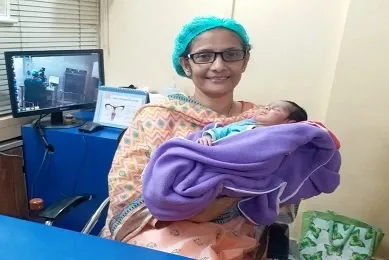
Dr. Rashmi Prasad — MBBS, DGO, DNB, PG-ART (University of Kiel, Germany) — is a senior fertility specialist with over 25 years of experience managing male infertility cases.
At Diwya Vatsalya Mamta Fertility Centre, she treats male infertility using evidence-based approaches including advanced IVF procedures and ICSI techniques, helping couples from Patna and across Bihar plan their parenthood journey with confidence.
Male Infertility Treatment Cost in Patna
Male infertility is not one condition, so it does not have one price. What you pay depends entirely on which route your reports point to.
| Treatment route | Cost per cycle | Usually recommended when |
|---|---|---|
| 💉IUI | ₹12,000 – ₹20,000 | Sperm count and motility are only mildly affected |
| 🧬IVF | ₹85,000 – ₹1,20,000 | Moderate male factor, or IUI has not worked |
| 🔬ICSI | ₹1,10,000 – ₹1,20,000 | Severe male factor — a single sperm injected directly into the egg |
| ⚕️TESA / TESE (with ICSI) | ₹25,000 – ₹35,000 | Azoospermia — no sperm in the semen sample |
*Transparent pricing is discussed with you before treatment begins. Free initial consultation for every couple.
Start with the semen analysis
A semen analysis is inexpensive and tells us a great deal. Many couples spend on advanced treatment before this basic step has even been done properly.
What changes the final figure
Treatment type, your medical evaluation and the severity of the condition decide the number. It is not a fixed cost, and nobody can quote you honestly before seeing reports.
Handled confidentially
Male-factor infertility carries needless stigma. Every case here is handled with complete confidentiality, from the first test to the final treatment.
Male Infertility FAQs
Male infertility means difficulty in making a partner pregnant due to sperm-related issues. It is common and treatable in many cases.
Common causes include low sperm count, poor sperm movement, hormonal imbalance, infections, smoking, alcohol, and stress.
Mild cases may improve with lifestyle changes and medicines. Some cases need medical or fertility treatment such as IVF or ICSI.
Yes. Sperm quality can reduce with age, especially after 40. Early testing gives better treatment options.
Yes. Smoking, alcohol, obesity, lack of exercise, and stress can negatively affect sperm health.
Sometimes infertility is linked with other health issues such as hormonal or metabolic conditions. Proper diagnosis helps find the real cause early.
Facing Male Infertility Issues?
Free first consultation with Dr. Rashmi Prasad · 4.9★ from 1,986+ Reviews · 65,000+ Families Helped