how Common Causes of Miscarriage Women have the ability to bring new life into the world, but there is always the risk of something going wrong. The worst scenario is a miscarriage, which involves losing a fetus before the 20th week of pregnancy. Going through this pain is challenging for women who experience a miscarriage.
Analysis shows that over 80% of miscarriages occur in the first trimester and can emotionally devastate the expecting parents. According to an NGO report, 10 to 15% of all confirmed pregnancies result in a miscarriage.
What is a Miscarriage?
The term ‘miscarriage’ describes the process that occurs during the first 20 weeks of pregnancy.
- Early miscarriage: A miscarriage that occurs during the first trimester, between weeks 1 and 12, is called an early miscarriage.
- Late miscarriage: A late miscarriage refers to a miscarriage that takes place during the second trimester, between weeks 13 and 20.
- Stillbirth vs. Miscarriage: However, the term ‘stillbirth’ refers to the loss of a fetus after the 20th week.
Common Causes of Miscarriage
1. Chromosomal Abnormalities
Not all male and female gametes are normal, and conceiving from these abnormal gametes is also abnormal. When this miscarried fetus was scientifically studied, it was found that the fetus is genetically grossly abnormal. So, it’s Mother Nature’s way to discard and can’t conceive these pregnancies from growing further.
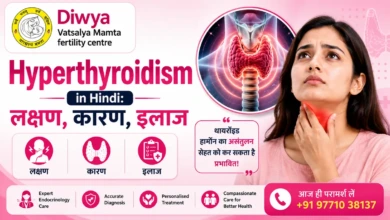
2. Thyroid Disorders
If it is high or low, the thyroid also leads to a problem in conceiving a baby or infertility and recurrent miscarriages. The study shows that where a woman’s thyroid function is low, her body will try to compensate by developing hormones that suppress ovulation. Still, conversely, a thyroid produces many hormones that can interfere with estrogen ability and make the situation unfavorable for the uterus to implant or abnormal uterine bleeding.
3. Lifestyle Factors
On pregnancy days, fruits and other habits will be closely monitored. The pregnant woman should avoid pineapples, eggs, papaya, aloe Vera, sesame seed, drumstick tree, soft drink, and many more that cause bleeding, cervix dilation, uterine contractions, and many others that occur from miscarriage or abortion.
4. Previous Abortions & Miscarriages
If a woman previously has intentional abortions, there are chances that they are at higher risk of miscarriage in the future. The intended miscarriage results in the cervix becoming incompetent, irritable, and sensitive. The female body cannot maintain the proper hormones required to support a healthy pregnancy.
5. Infections & Medical Conditions
In early pregnancy, miscarriage occurs due to an imbalance in diabetes, thyroid, and high fever. Therefore, before planning for pregnancy, it is advisable to check your health status. Obesity is also another cause of miscarriage, and it occurs when BMI is high.
Read the next article: Deal with High-Risk Pregnancy?
Risk Factors That Increase Miscarriage Chances
1. Age Factor
Women over 35 have a higher risk of miscarriage due to poor egg quality and hormonal changes.
2. Pre-existing Health Conditions
Conditions like diabetes, thyroid disorders, and high blood pressure can affect pregnancy. Regular health check-ups help manage these risks.
3. Nutritional Deficiencies
A lack of essential vitamins can lead to pregnancy loss. Pregnant women should ensure they get enough:
- Folic Acid – Prevents neural tube defects.
- Vitamin D – Supports bone development.
- Iron – Reduces anemia risk.
Conclusion
Common Causes of Miscarriage thing but going through this pain is challenging. Physical loss is one time, but the emotional loss can be traumatic. If you are facing complications of miscarriage, then reach out to the best IVF Specialist Doctor in Patna, which treats IVF, IUI, ICSI, and Miscarriage treatment.
FAQs
What are the symptoms of miscarriage at 6 weeks
Early signs of miscarriage can include:
Bleeding: This can range from light spotting to heavy bleeding with clots.
Cramping: Painful contractions similar to menstrual cramps.
Passing tissue: You may pass tissue from your vagina.
It’s important to note that these symptoms can also occur for other reasons, so it’s essential to contact your healthcare provider if you experience any of them.
What increases risk of miscarriage in first trimester
Several factors can increase the risk of miscarriage:
Age: Women under 20 or over 35 have a higher risk.
Health conditions: Underlying health issues like diabetes, thyroid problems, or autoimmune diseases can increase the risk.
Infections: Certain infections can harm the pregnancy.
Lifestyle factors: Smoking, excessive alcohol consumption, and drug use can increase the risk.
Previous miscarriages: Having had multiple miscarriages can increase the risk for future pregnancies.
What are the causes of missed miscarriage
A missed miscarriage occurs when the fetus stops developing but the body doesn’t expel it. Common causes include:
Chromosomal abnormalities: Most common cause, where the fetus has an extra or missing chromosome.
Hormonal imbalances: Problems with hormones like progesterone can affect the pregnancy.
Underlying health conditions: Certain health conditions can contribute to missed miscarriage.
What are the causes of miscarriage at 14 weeks
Causes of miscarriage at 14 weeks are similar to earlier stages:
Chromosomal abnormalities: Still the most common cause.
Infections: Infections can harm the pregnancy at any stage.
Uterine problems: Structural issues with the uterus can contribute to miscarriage.
Chronic health conditions: Uncontrolled chronic conditions can increase the risk.
What are the symptoms of miscarriage in 5 months
Symptoms of miscarriage in the second trimester (around 5 months) can be more severe than in the first trimester and may include:
Bleeding: Heavy bleeding that may contain clots.
Cramping: Strong and painful contractions.
Back pain: Severe lower back pain.
Passing tissue: You may pass larger tissue from your vagina.
If you experience any of these symptoms, it’s crucial to seek immediate medical attention.
अपनी स्थिति डॉक्टर से सीधे समझें
इंटरनेट पर पढ़ी जानकारी हर मरीज़ पर लागू नहीं होती। आपकी जांच और इतिहास देखे बिना सही सलाह संभव नहीं है।
Dr. Rashmi Prasad · MBBS, DGO, DNB, PG-ART (University of Kiel, Germany) · 25+ वर्षों का अनुभव
कॉल करें: +91 97710 38137WhatsApp
मुफ्त परामर्श बुक करें →Diwya Vatsalya Mamta Fertility Centre · Patliputra Colony, Patna, Bihar – 800013
Disclaimer
This article is for general information and awareness only — it is not a substitute for professional medical advice. Every patient's situation is different; always consult a qualified doctor before making any treatment or medication decision. For a free consultation at Diwya Vatsalya Mamta Fertility Centre, Patna, call +91 97710 38137.
✓