संक्षेप में (Quick Answer): If the egg is not fertilised within 12–24 hours of ovulation, it disintegrates and is shed along with the uterine lining during your next menstrual period. This is a normal monthly cycle and does not harm future fertility. Consistent failure to conceive over 12 months (or 6 months if over age 35) warrants a fertility evaluation.

What happens if egg is not fertilised? It is a highly sought-after question among women and it is very important because they desire to know about their body, about their menstrual period, and even about the process of pregnancy itself.
Simply put, each month the body of a woman becomes ready to become pregnant. The oocyte (egg) is released (ovulation) by either of the ovaries and the ovule flows through the fallopian tube. This egg then merges with sperm to form fertilisation and a pregnancy is formed. However, when the egg is not fertilised, the body merely gets rid of it, and the uterus lining bleeds (periods).
It is just an ordinary and healthy biological experience as exemplified by Dr. Rashmi Prasad who is an expert in fertility with more than 25 years of experience.
What Happens If Egg Is Not Fertilised?
We will get to know this step-by-step with ease:
- Each month, a mature egg (ovulation) is released by one ovary.
- The egg goes through the fallopian tube, which is designed to be fertilised.
- This will automatically dissolve in case the sperm will not be able to reach the egg within 12-24 hours.
- The level of hormones (estrogen and progesterone) starts declining.
- The uterus that is prepared to take a pregnancy begins to disintegrate.
Why Does This Happen?
The womb is so focused that a woman can become pregnant on a regular basis. It offers the proper conditions in which a fertilised egg is able to grow on a monthly basis.
In the event of failure of fertilisation:
- The body recognizes there is no pregnancy
- Hormonal support is withdrawn
- The uterus sheds its lining to start fresh
This reset mechanism is necessary since it enables the body to get ready once again to the next cycle. This is an indication that your reproductive system is working well.
When Is It Normal?
Not getting fertilised in a cycle is absolutely normal.
It is considered healthy if:
- Your menstrual cycle is regular (21–35 days)
- Bleeding lasts 3–7 days
- There is mild or manageable discomfort
- There are no unusual symptoms
It is true that an average woman will undergo numerous cycles and not conceive before she conceives.
When Should You Worry?
Even though this is a natural process, there are some indications that a problem may require consideration.
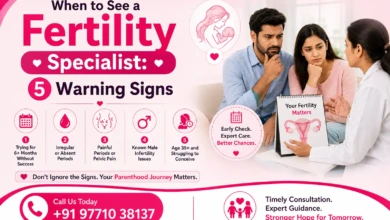
You must visit the doctor in case you notice:
- Inequality, lack or extreme lateness.
- Over or too little bleeding.
- Acute abdominal cramps or stomachache.
- Several months without success in pregnancy.
- Indications of hormonal imbalance (acne, weight gain, loss of hair)
They might mention PCOS, thyroid, ovulation, or blocked fallopian tubes.
Does It Affect Fertility?
When the egg is not fertilised, this does not affect fertility.
However, in these cases, when you are trying to conceive, and you are not getting fertilised after a number of cycles then it can signal a sign of:
- Abnormal or no ovulation.
- Poor egg quality
- Male fertility problems (low sperm count or motility)
- A problem of the anatomy of the reproductive organs.
With this scenario, the underlying cause needs to be properly diagnosed and treatment initiated.
Conclusion
You see now clearly what happens when an egg is not fertilised, it is a natural and wholesome thing how the body aborts its uterine lining, and the uterus menstruates.
This is absolutely natural, but chronic infertility should not be neglected. It may also be beneficial to talk to a fertility professional at an early age to learn more about your body and make the correct steps towards pregnancy.
Dr. Rashmi Prasad (25+ years of experience in IVF and Infertility) can give you the right advice at Diwya Vatsalya Mamta Fertility Centre.
If you need an IVF Clinic in Patna, you can find a good doctor to make the process smoother and more assured.
Common Questions Asked
What happens if egg is not fertilised?
If the egg is not fertilised within 12–24 hours, it breaks down and the uterus sheds its lining, causing periods.
Is it normal if the egg is not fertilised every month?
Yes, it is completely normal unless you are trying to conceive.
How many days does an egg live after ovulation?
An egg lives for about 12–24 hours after ovulation.
Can lifestyle affect fertilisation?
Yes, stress, poor diet, and unhealthy habits can reduce chances of fertilisation.
When should I consult a doctor?
If pregnancy does not happen after 6–12 months, consult a fertility expert.
Why egg is not fertilised even after ovulation?
It may be due to timing issues, sperm problems, or hormonal imbalance.
Where to get fertility advice in Patna?
You can consult Dr. Rashmi Prasad at Diwya Vatsalya Mamta Fertility Centre, Patna for proper diagnosis and treatment.
अपनी स्थिति डॉक्टर से सीधे समझें
इंटरनेट पर पढ़ी जानकारी हर मरीज़ पर लागू नहीं होती। आपकी जांच और इतिहास देखे बिना सही सलाह संभव नहीं है।
Dr. Rashmi Prasad · MBBS, DGO, DNB, PG-ART (University of Kiel, Germany) · 25+ वर्षों का अनुभव
कॉल करें: +91 97710 38137WhatsApp
मुफ्त परामर्श बुक करें →Diwya Vatsalya Mamta Fertility Centre · Patliputra Colony, Patna, Bihar – 800013
Disclaimer
This article is for general information and awareness only — it is not a substitute for professional medical advice. Every patient's situation is different; always consult a qualified doctor before making any treatment or medication decision. For a free consultation at Diwya Vatsalya Mamta Fertility Centre, Patna, call +91 97710 38137.
✓