
It is completely natural to feel worried before starting IVF. Couples often ask about hormone injections, egg retrieval, pregnancy complications, and the health of their future baby. These are exactly the questions to raise with the specialists at an IVF Clinic in Bihar before you begin. The short answer is that IVF is an established fertility treatment, and many patients complete it without major complications, but it does carry risks that depend on your health and treatment plan. This guide explains the common side effects, the possible complications, how clinics monitor patients, and the questions worth asking your fertility specialist.
Table of Contents
Is IVF Treatment Generally Safe?
IVF has been used for several decades, and improvements in treatment protocols, laboratory techniques, and monitoring have made care more precise. The same medical principles apply wherever you are treated, so IVF treatment in Bihar should follow the same standards of individual assessment and careful monitoring that are expected elsewhere.
But “safe” does not mean risk-free. No medical procedure is. Your own risk depends on factors such as age, medical history, how your ovaries respond to medicines, and pregnancy-related factors, so two patients can have very different experiences. The American Society for Reproductive Medicine (ASRM) summarizes these points in its fact sheet on the safety of IVF. A good specialist will talk openly about the benefits, the risks, and the alternatives, rather than offering blanket reassurance.
What Are the Common Side Effects of IVF?
Most IVF side effects are mild and temporary. They are different from the rare complications covered in the next section, and it helps to know the difference so that you can tell what is expected from what needs attention.

Side Effects of Fertility Injections
Fertility medicines are usually given as injections for around ten days or longer. Some patients notice bruising or soreness at the injection site, bloating, abdominal discomfort, breast tenderness, headache, or nausea. Mood changes are also reported. How much you are affected depends on the medicine and on your individual response. Many people have only mild symptoms, and some have almost none.
Discomfort After Egg Retrieval
Egg retrieval is performed with pain relief or sedation, so you should be comfortable during the procedure. Afterwards, temporary cramping, mild pelvic discomfort, or light spotting may occur. Recovery varies from person to person, and the procedure is not completely painless or risk-free.
Symptoms During the Embryo-Transfer Period
Some patients feel mild cramping or bloating after embryo transfer, while others feel nothing at all. Symptoms alone cannot tell you whether an embryo has implanted or whether you are pregnant, so avoid reading too much into them. The NHS IVF guide offers further plain-language information on what to expect.
What Are the Potential Risks and Complications of IVF?
Serious complications are much less common than everyday side effects. They are described below so that you know what to watch for, not to cause alarm. The likelihood of each depends on your health and your treatment plan, and your doctor can explain how it applies to you.
Ovarian Hyperstimulation Syndrome (OHSS)
OHSS happens when the ovaries respond excessively to stimulation medicines. In mild cases it causes bloating and abdominal discomfort. In more serious cases it can bring abdominal pain or swelling, nausea, vomiting, and reduced urination. Your clinic can assess your risk beforehand, adjust the medicines, monitor you closely, or recommend freezing embryos and transferring them in a later cycle when appropriate.
Multiple Pregnancy and Twin-Pregnancy Risks
Transferring more than one embryo can increase the chance of twins or higher-order multiple pregnancies. These pregnancies carry a higher risk of complications such as preterm birth. Many specialists therefore recommend single-embryo transfer when it is suitable, as it can reduce this risk while still giving a good chance of pregnancy in the right situation. Your doctor will explain how many embryos are appropriate for you.
Ectopic Pregnancy and Miscarriage
In rare cases, a pregnancy after IVF may implant outside the uterus (ectopic pregnancy), and, as with natural conception, miscarriage can occur. Not every pregnancy loss or complication is caused by IVF itself, because age, underlying health conditions, and embryo factors also play a role. Individual risk varies.
Risks Related to Egg Retrieval
Uncommon complications of egg retrieval include bleeding, infection, or injury to nearby structures. The treating team should explain the relevant risks to you before the procedure and obtain your informed consent.
Is IVF Safe for the Baby?
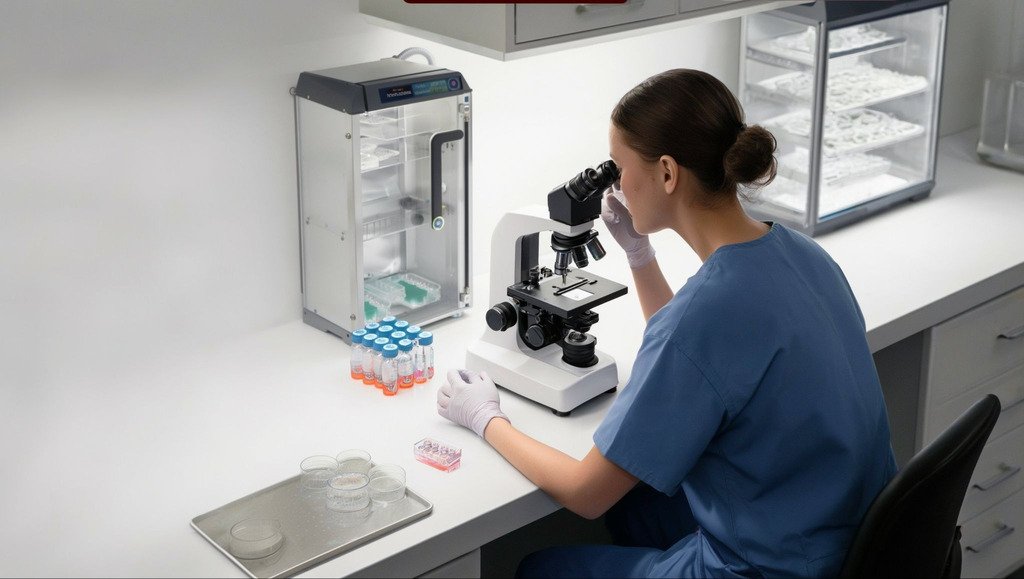
This is a major concern for many couples and a fair one to raise. Most babies born through IVF are healthy. At the same time, some pregnancy and birth outcomes, such as preterm birth or low birth weight, may be influenced by factors other than the procedure itself, including parental age, the underlying cause of infertility, medical conditions, and multiple pregnancy.
This means that differences in outcomes should not automatically be blamed on IVF. IVF cannot guarantee a healthy baby, just as natural conception cannot. Good prenatal care and specialist follow-up remain important throughout pregnancy. The ASRM safety overview linked above describes what current research shows.
How Can a Clinic Help Reduce Treatment Risks?
Risk reduction starts with an individualized plan. A careful team reviews your medical history, monitors how your ovaries respond, adjusts medicines where needed, and gives clear aftercare instructions. Many families look for the best IVF hospital in Bihar, but the most reliable sign of a safe service is how it handles these practical details:
- An appropriate assessment before treatment begins.
- Ultrasound and blood-test monitoring when indicated.
- A discussion of OHSS risk and ways to prevent it.
- An individualized embryo-transfer plan.
- Clear after-hours contact instructions and follow-up.
- Informed consent and transparent communication.
At Diwya Vatsalya Mamta Fertility Centre and any other center you consult, ask how these steps are carried out. Monitoring can help identify and manage risks, but it cannot eliminate every complication.
Warning Signs After IVF That Should Not Be Ignored
Contact your fertility clinic promptly if you notice worsening abdominal pain or swelling, persistent vomiting, markedly reduced urination, or any other symptoms your clinic has told you to watch for.
Seek urgent medical assessment if you have difficulty breathing, chest pain, fainting, severe or one-sided abdominal pain, or heavy bleeding. These may signal a serious complication, so do not wait for a routine appointment. The NHS provides further information on IVF risks and urgent symptoms. This list is not a substitute for medical care, so if you are unsure, call your clinic or seek emergency help.
Questions to Ask Before Starting Treatment
Bringing a list of questions to your consultation helps you make an informed decision. Whether you are comparing a fertility center in Bihar or discussing a recommendation from your own doctor, consider asking:
- What risks are most relevant to my medical history?
- How will you monitor my response to fertility medicines?
- What steps may reduce my risk of OHSS?
- How do you decide how many embryos to transfer?
- What symptoms should prompt a call or an emergency visit?
- Who should I contact outside normal clinic hours?
- What costs are included, and which may be additional?
- Who will explain my results and follow-up plan?
You can bring these questions to Diwya Vatsalya Mamta Fertility Centre or any other centre. A clear, patient answer to each is a good sign.
Frequently Asked Questions About IVF Safety
Is IVF treatment safe?
IVF is an established treatment and many patients complete it without major problems, but it is not risk-free. Your risk depends on your age, health, and treatment plan.
What are the common side effects of IVF?
Bloating, mild abdominal discomfort, breast tenderness, headache, nausea, and bruising at injection sites are common. They are usually temporary.
Is IVF safe for the baby?
Most babies born through IVF are healthy. Some outcomes are influenced by parental age, the cause of infertility, and multiple pregnancy, so prenatal care remains important.
What is ovarian hyperstimulation syndrome (OHSS)?
OHSS is an over-response of the ovaries to fertility medicines. It can cause swelling, pain, and nausea, and monitoring helps to identify and manage it.
Can IVF cause twins or multiple pregnancy?
Yes. Transferring more than one embryo raises the chance. Single-embryo transfer may be recommended to lower the risk of complications.
Is egg retrieval risky?
It is generally well tolerated and done with pain relief or sedation. Rare risks include bleeding, infection, or injury to nearby structures.
How can IVF complications be reduced?
Through an individualized plan, careful monitoring, medicine adjustments, and clear aftercare. These steps can reduce some risks but not all.
What symptoms after IVF require urgent medical attention?
Difficulty breathing, chest pain, fainting, severe or one-sided abdominal pain, and heavy bleeding need urgent assessment. Persistent vomiting or little urine should prompt a call to your clinic.
Does every woman experience side effects?
No. Some women have almost none, while others notice several. Experiences differ by medicine and individual response.
What should I ask a clinic in Bihar before starting treatment?
Ask about your personal risks, how you will be monitored, how many embryos will be transferred, whom to contact after hours, and what the costs include.
Conclusion
IVF is an established treatment, but the right plan and the risks differ from person to person. Discuss your concerns with a qualified fertility specialist who can explain the benefits, risks, alternatives, and monitoring plan. If you are ready to talk, you can book a consultation at an IVF clinic in Bihar, such as Diwya Vatsalya Mamta Fertility Centre, with no promise of outcomes, only honest answers.
Still Have Questions About IVF Safety?
Talk to an IVF Clinic in Bihar.
Every couple’s situation is different. Contact Diwya Vatsalya Mamta Fertility Centre today to speak with our fertility specialists, understand the risks and success rates for your case, and get honest answers about your treatment options and costs.
Disclaimer
This article is for general information and awareness only — it is not a substitute for professional medical advice. Every patient's situation is different; always consult a qualified doctor before making any treatment or medication decision. For a free consultation at Diwya Vatsalya Mamta Fertility Centre, Patna, call +91 97710 38137.
✓